Lack
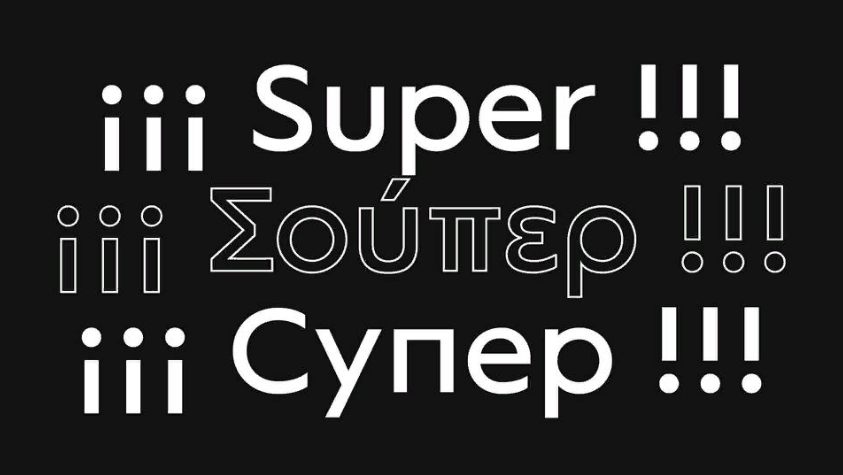
Lack – a geometric sans with sharp details and open letterforms. It can suit posters, independent cultural publishing, experimental websites and music artwork.
Discover useful things. Build your library. Share your finds.
Lack – a geometric sans with sharp details and open letterforms. It can suit posters, independent cultural publishing, experimental websites and music artwork.
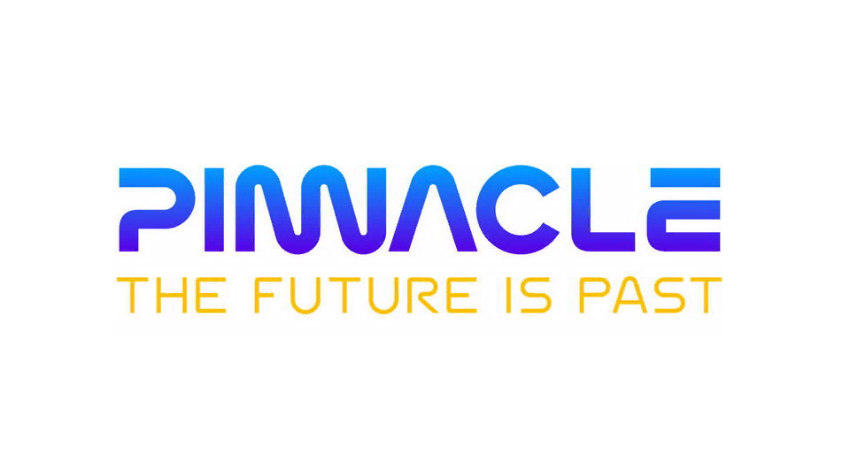
Pinnacle – a multilingual sans inspired by NASA’s 1970s lettering. Try it on a science exhibition poster, retro-futurist identity or a technical magazine cover.
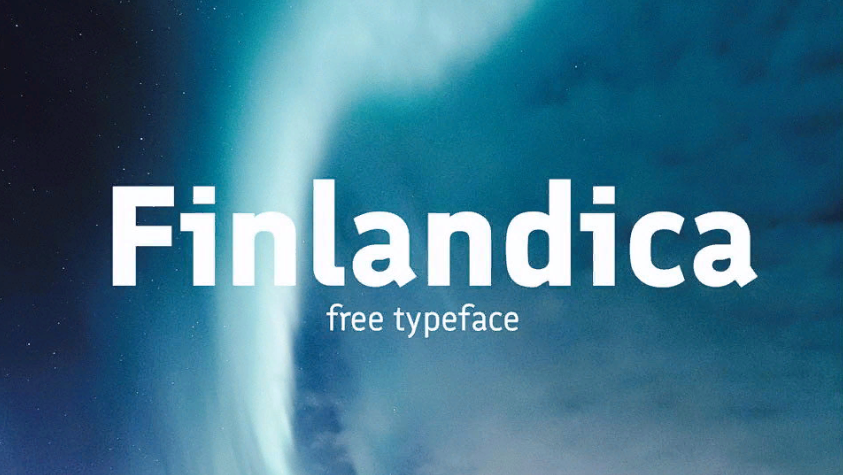
Finlandica – an open sans for wayfinding and sustained reading.
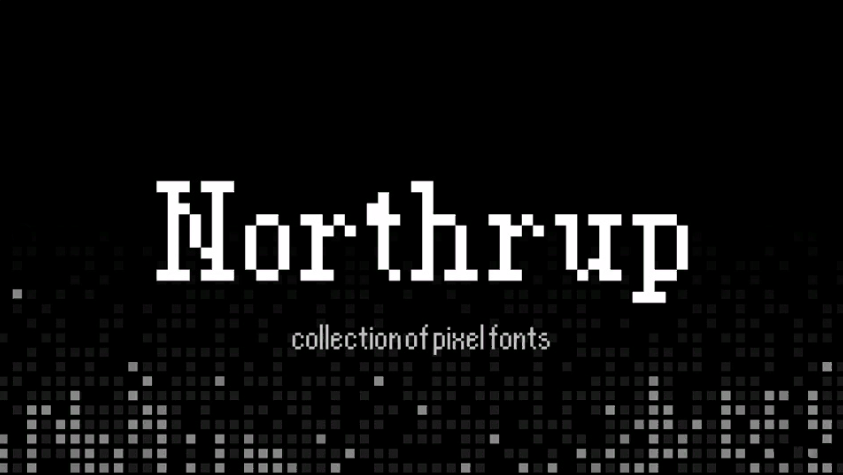
Northrup – a pixel typeface inspired by classic RPGs such as EarthBound. It belongs in indie-game menus, title screens, retro posters and digital stickers.
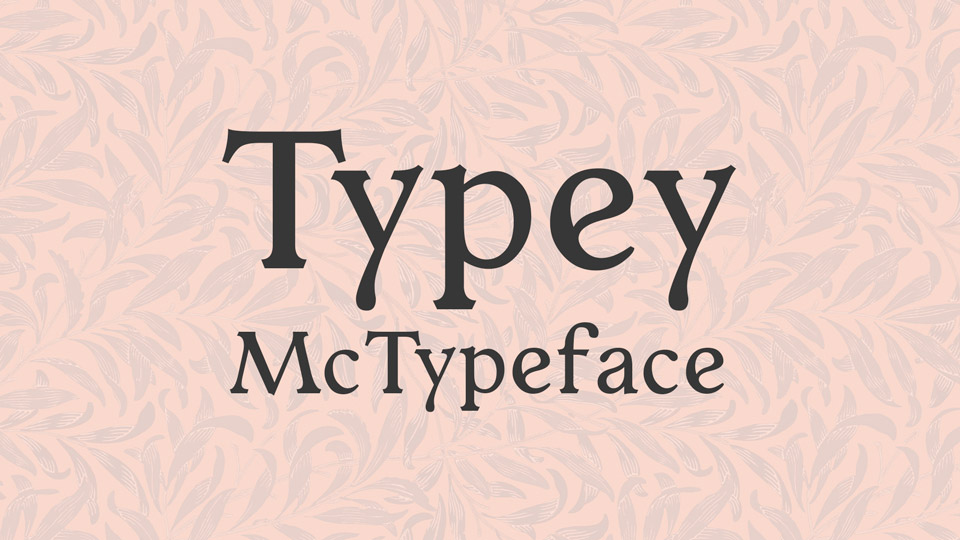
Typey McTypeface – a typewriter-style face for short text and accents. It can give a modern layout the tone of a letter, note or old printed document.
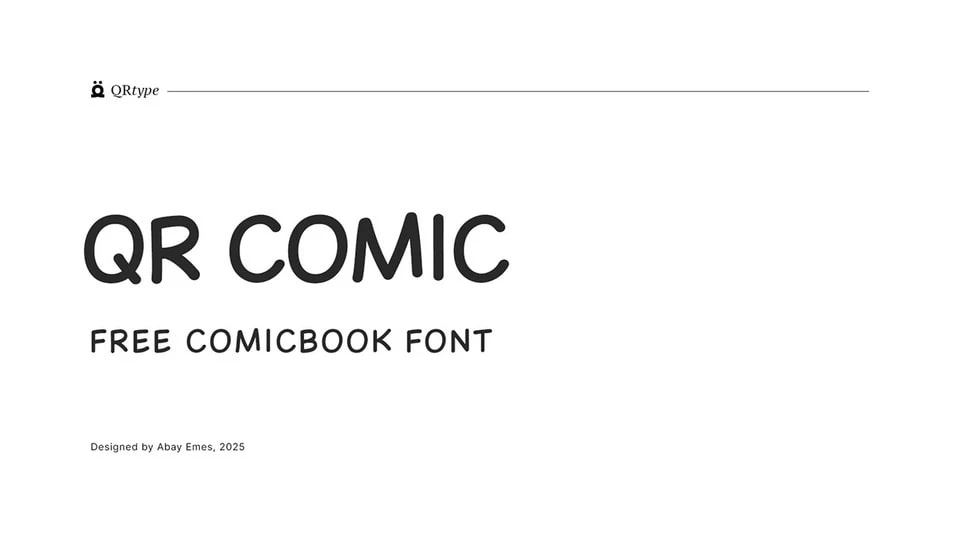
QR Comic – a bold comic face with dynamic, rounded letters. It works well in short speech bubbles, comic titles, stickers and humorous posters.
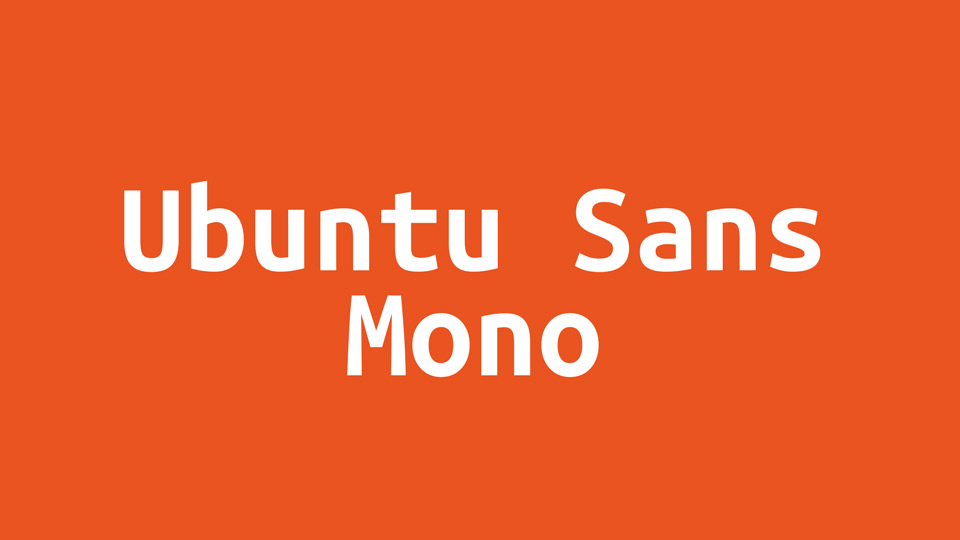
Ubuntu Sans Mono – ubuntu’s monospaced face for code and terminals. It is useful in terminals, editors, technical tables and code samples on websites.
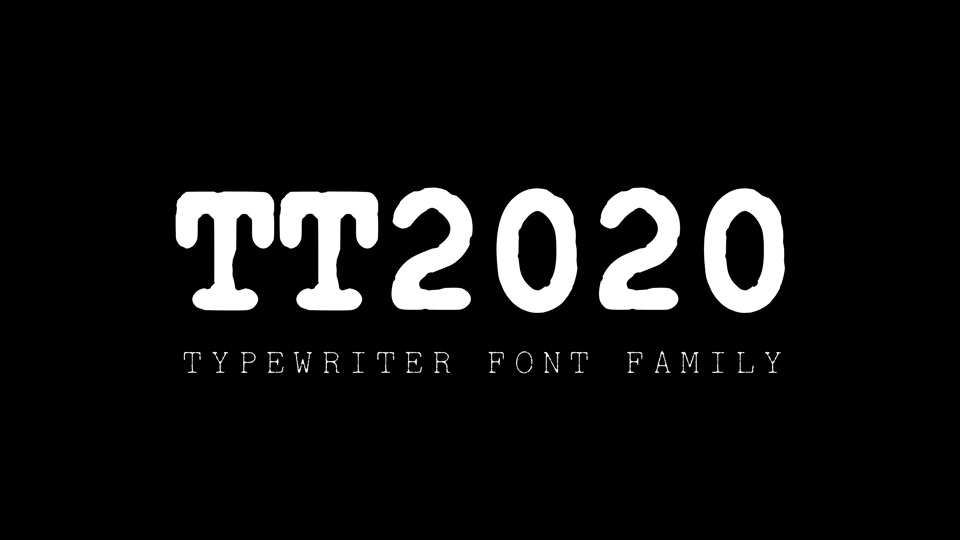
TT2020 – a monospaced face that reproduces the irregularities of typewriting. That texture suggests physical paper even on a screen.
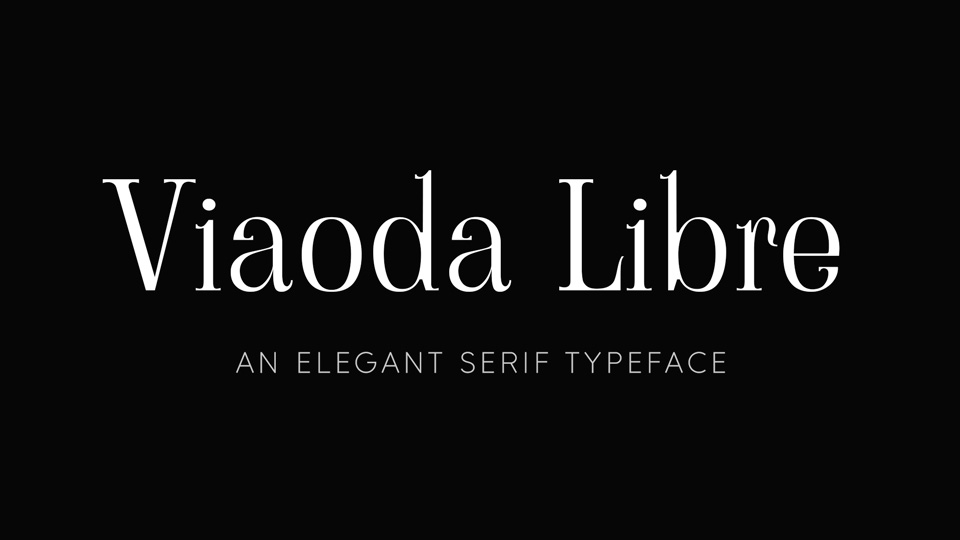
Viaoda Libre – a high-contrast serif for editorial headlines and covers. It comes into its own when a large headline sets the mood: magazine covers, posters, beauty identities and cultural projects.
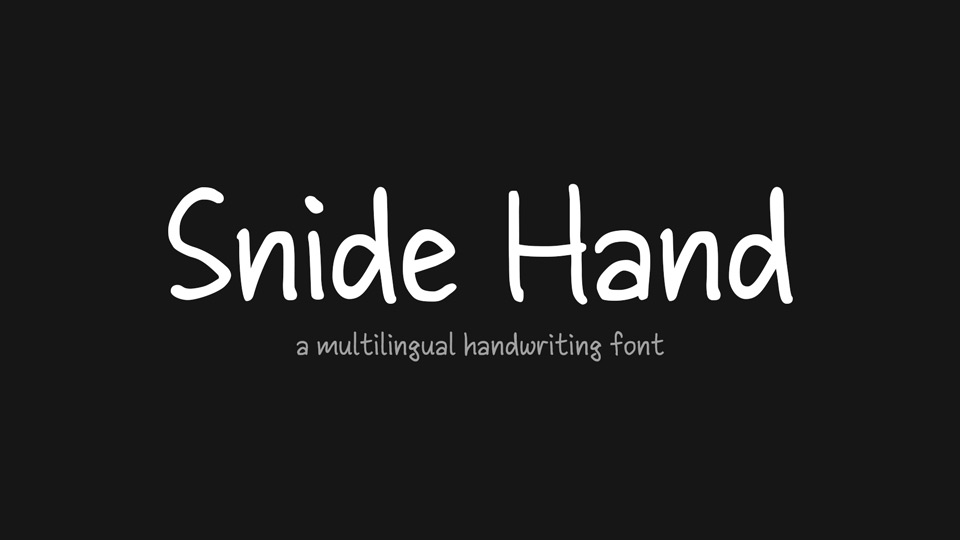
Snide Hand – an informal handwriting face for notes, illustrations and captions. It suits illustrated annotations, cards, sketches and personal visual projects.
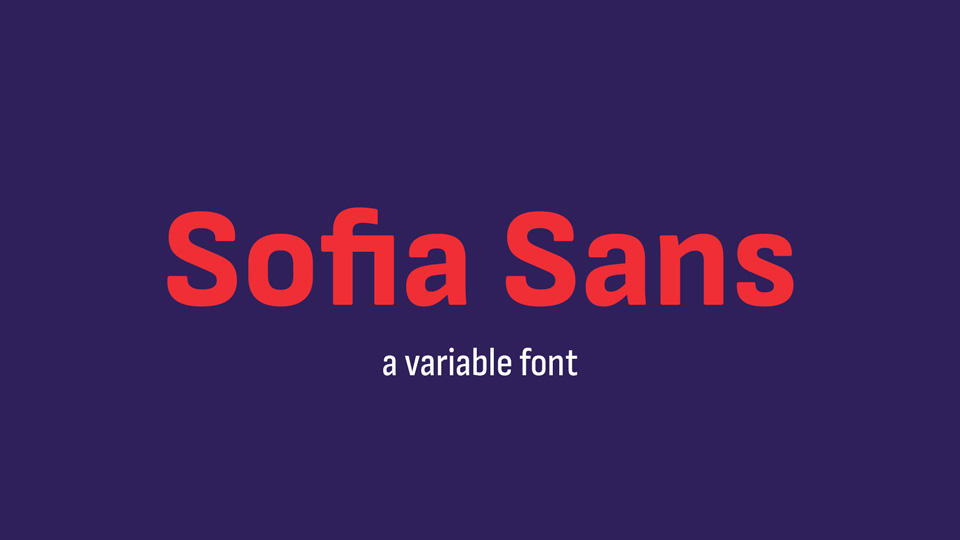
Sofia Sans – a sans with several widths for signage and screen text. It fits navigation, digital products and editorial systems where headings and small captions need to look related.
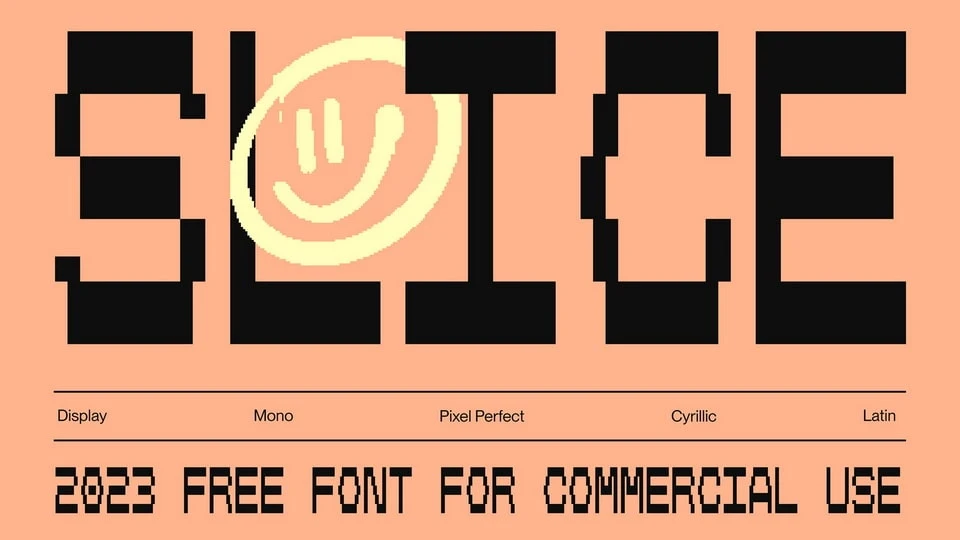
Slice Mono – maksym Baluiev’s monospace for technical and graphic layouts. It can work in technical posters, developer sites and designs borrowing from terminal interfaces.
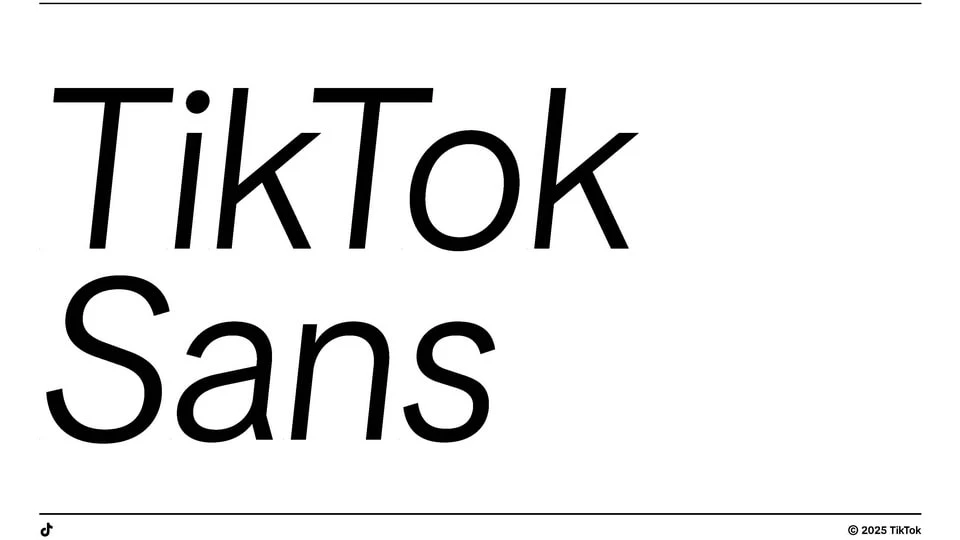
TikTok Sans – tikTok’s screen sans with clear forms for captions and interfaces. It shows how typography must work in a fast digital environment: captions, interfaces and brief messages.
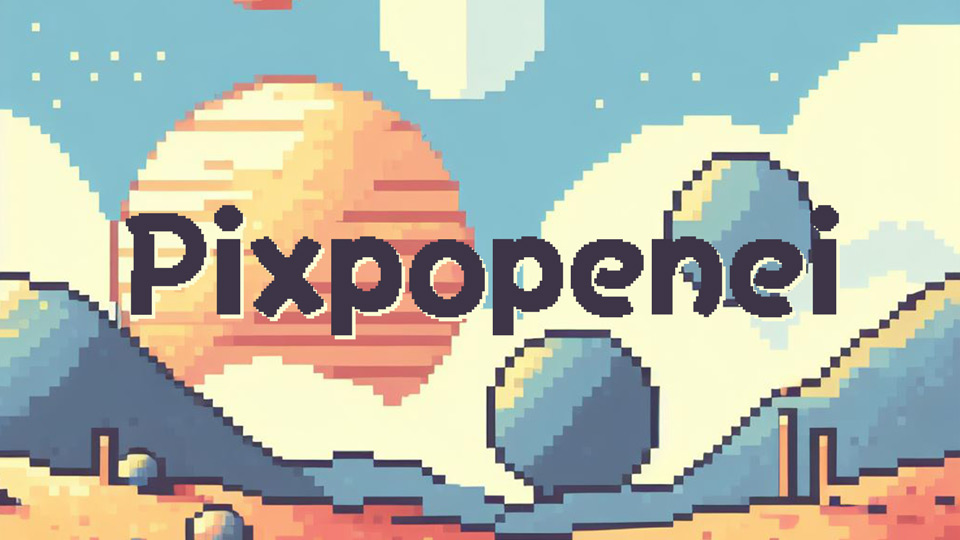
Pixpopenei – a pixel face for game graphics and compact lettering. It works for title screens, indie projects, retro posters and brief digital labels.
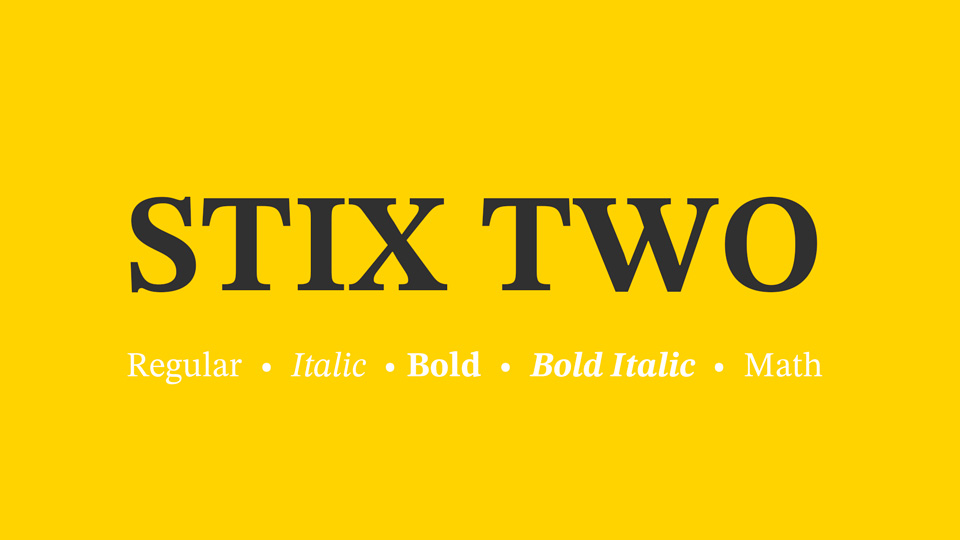
STIX Fonts – a family for academic publishing, text and mathematical typesetting. They suit papers, textbooks, research presentations and technical PDFs.
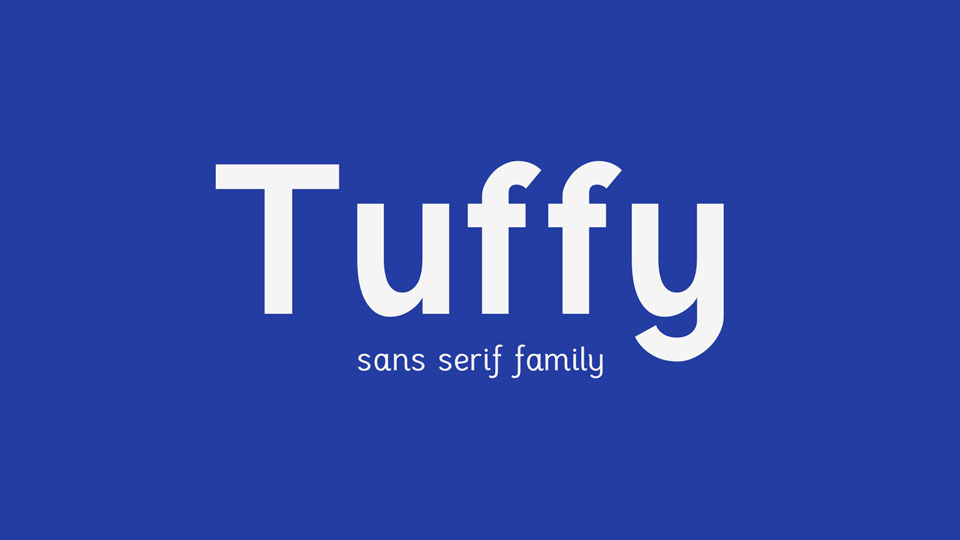
Tuffy – a straightforward sans for text and headlines. This package includes an Italic cut, suitable for quotations, captions and editorial accents.
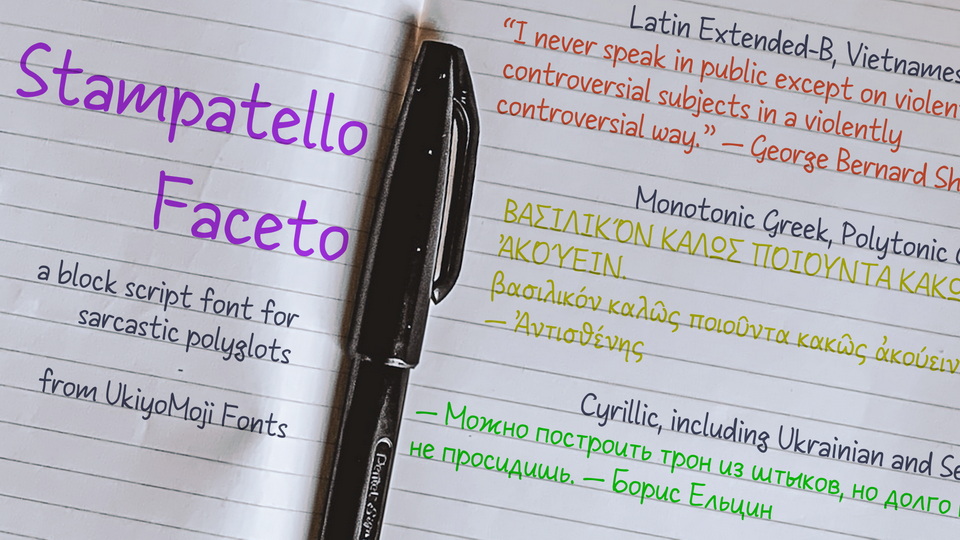
Stampatello Faceto – a decorative face for expressive short lettering. It can suit cards, covers, comic-style headings and illustrated packaging.
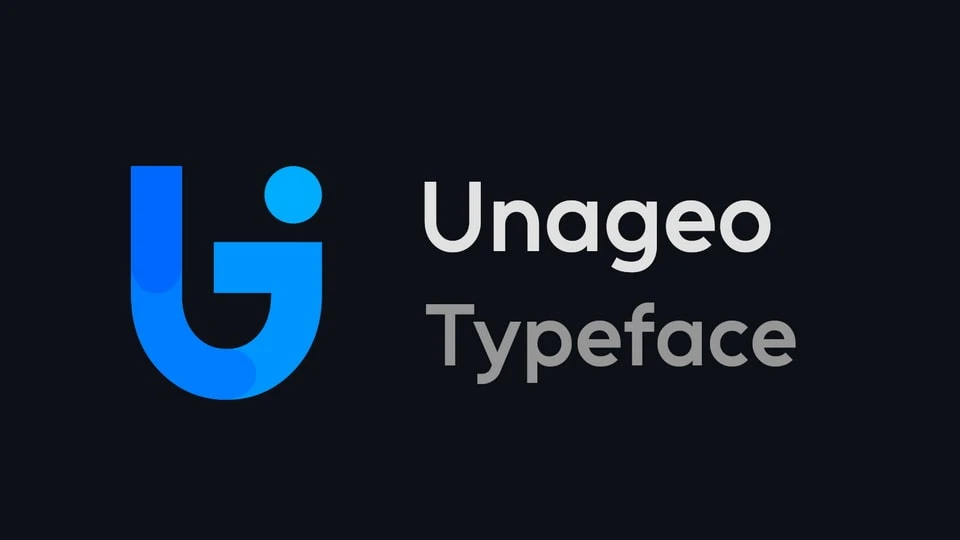
Unageo – richard Sepši’s variable sans for text and headlines. It suits digital products, campaign graphics and identities requiring a substantial typography system.
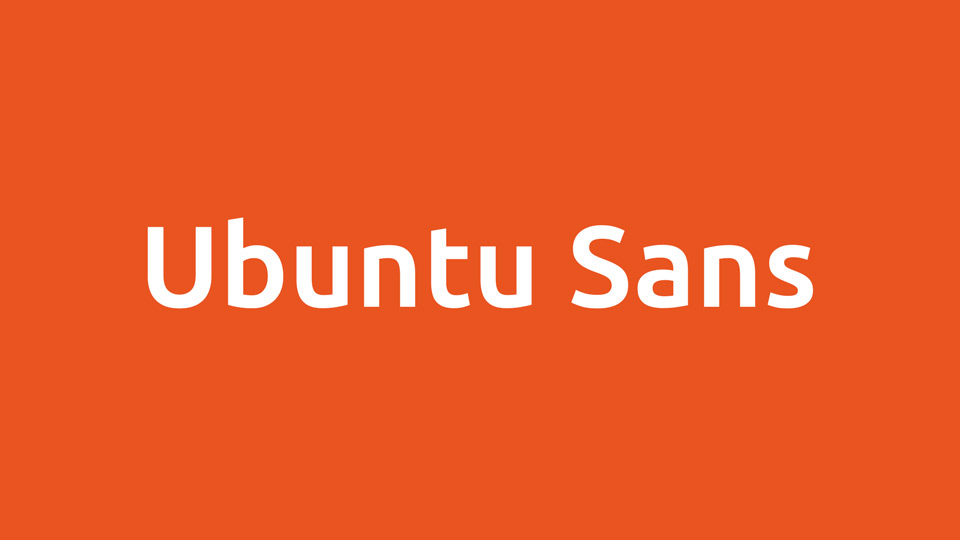
Ubuntu Sans – ubuntu’s sans for interfaces, navigation and text. It fits apps, help pages, presentations and navigation.
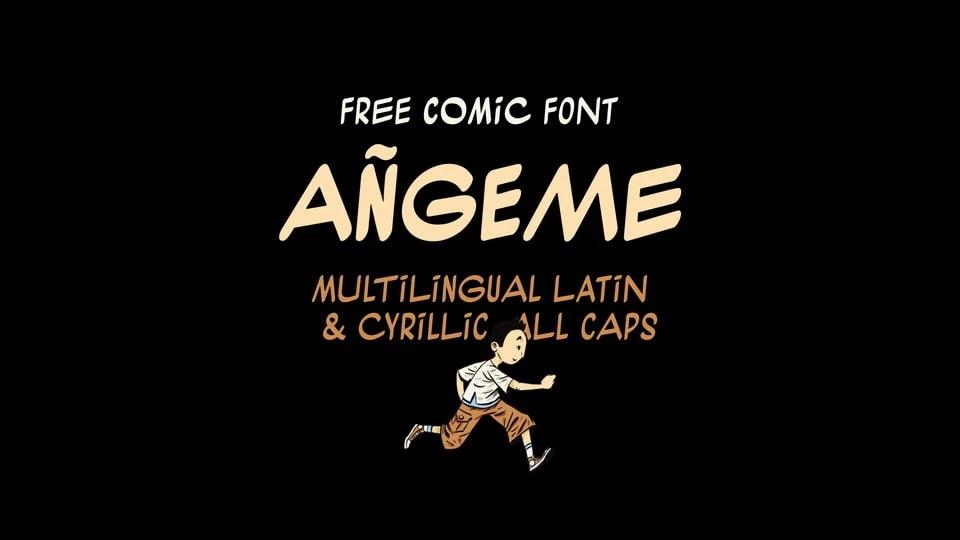
Angeme – a display face for posters and short lettering. Regular and Bold can create a simple contrast, with the main phrase taking the heavier cut.
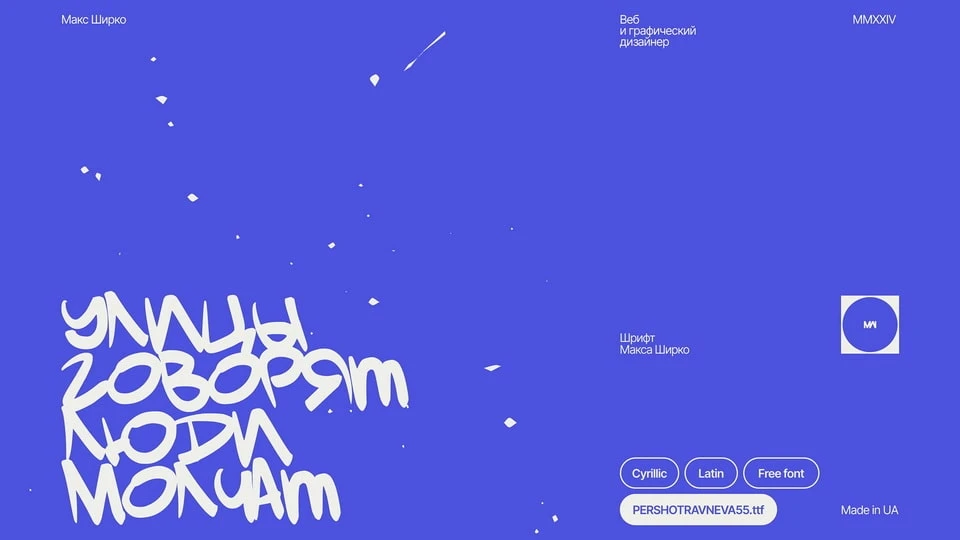
Pershotravneva55 – max Shirko’s display face for posters and short lettering. Its character is easiest to appreciate in a short, large title.
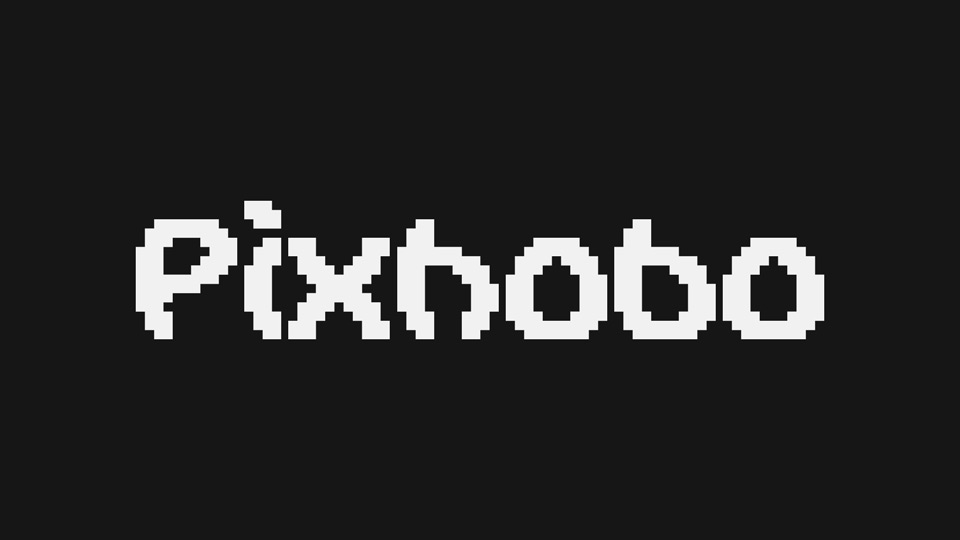
Pixhobo – pixel lettering for games and retro interfaces. Try it in an indie-game menu, a pixel-art cover or short labels inspired by old screens.
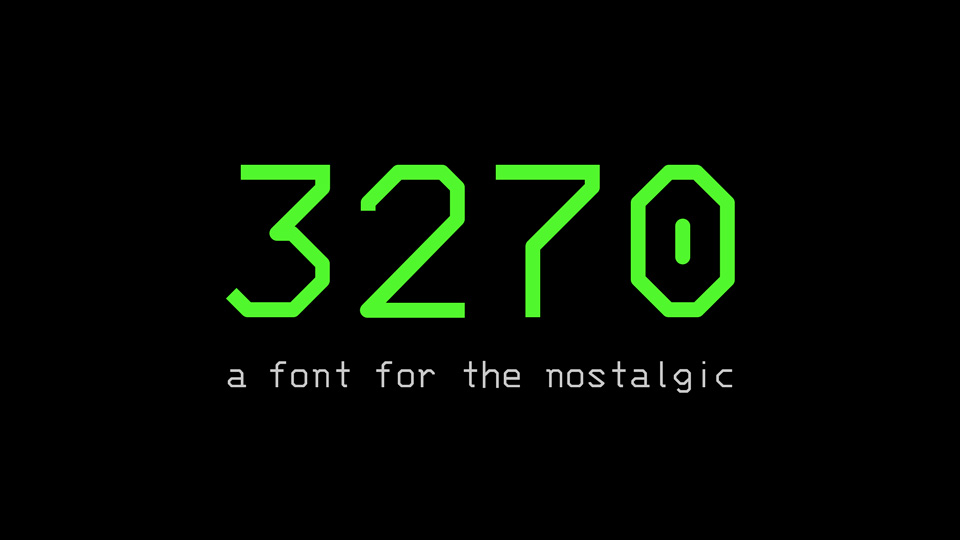
3270 – a monospaced face modeled on IBM 3270 terminal lettering. Its fixed-width rhythm creates an old-computer atmosphere without extra visual filters.
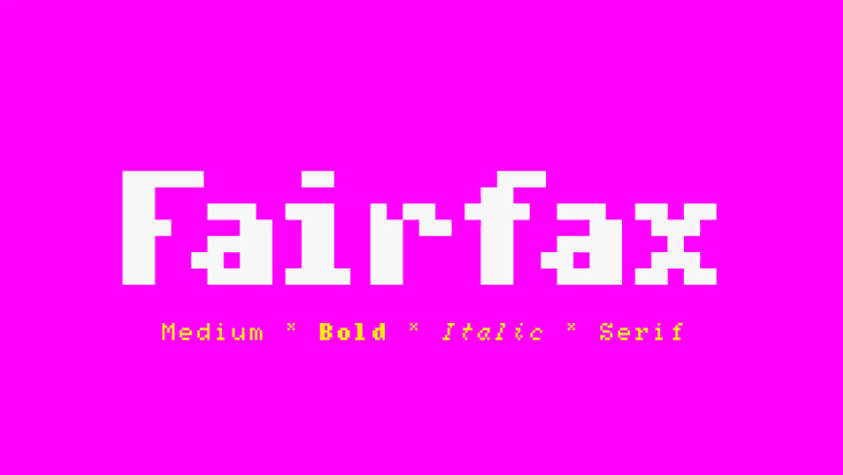
Fairfax – a pixel font with broad character coverage for retro interfaces. It suits retro interfaces, pixel games, electronic archives and experimental posters.