Slice Mono
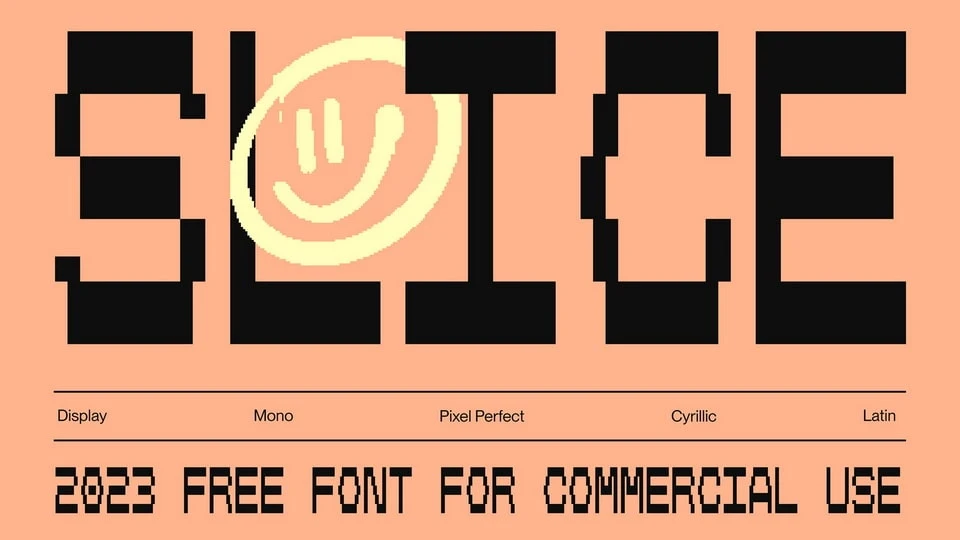
Slice Mono – maksym Baluiev’s monospace for technical and graphic layouts. It can work in technical posters, developer sites and designs borrowing from terminal interfaces.
Discover useful things. Build your library. Share your finds.
Slice Mono – maksym Baluiev’s monospace for technical and graphic layouts. It can work in technical posters, developer sites and designs borrowing from terminal interfaces.
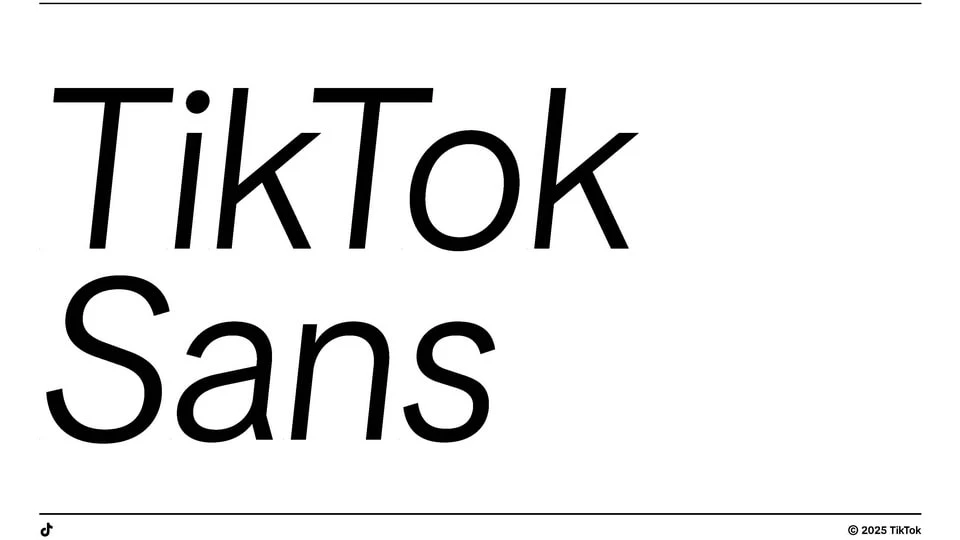
TikTok Sans – tikTok’s screen sans with clear forms for captions and interfaces. It shows how typography must work in a fast digital environment: captions, interfaces and brief messages.
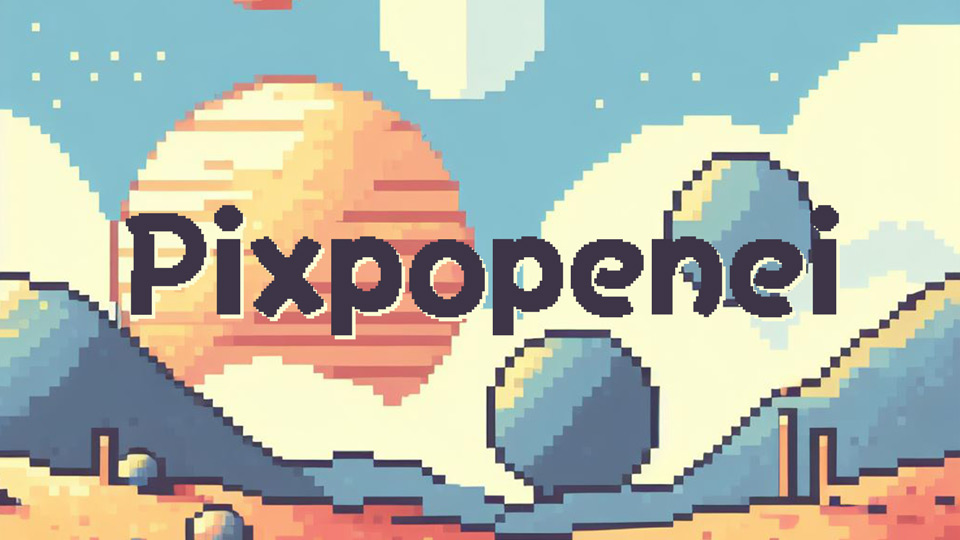
Pixpopenei – a pixel face for game graphics and compact lettering. It works for title screens, indie projects, retro posters and brief digital labels.
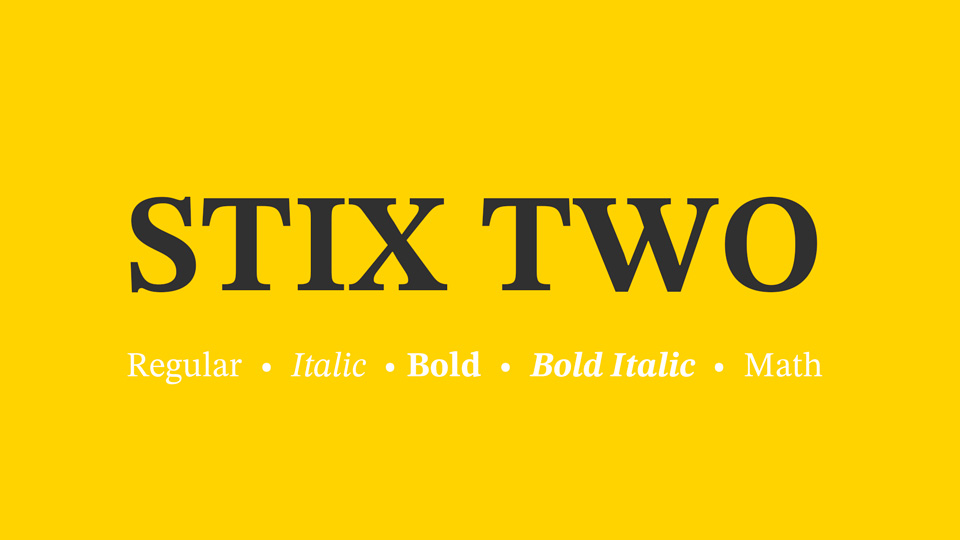
STIX Fonts – a family for academic publishing, text and mathematical typesetting. They suit papers, textbooks, research presentations and technical PDFs.
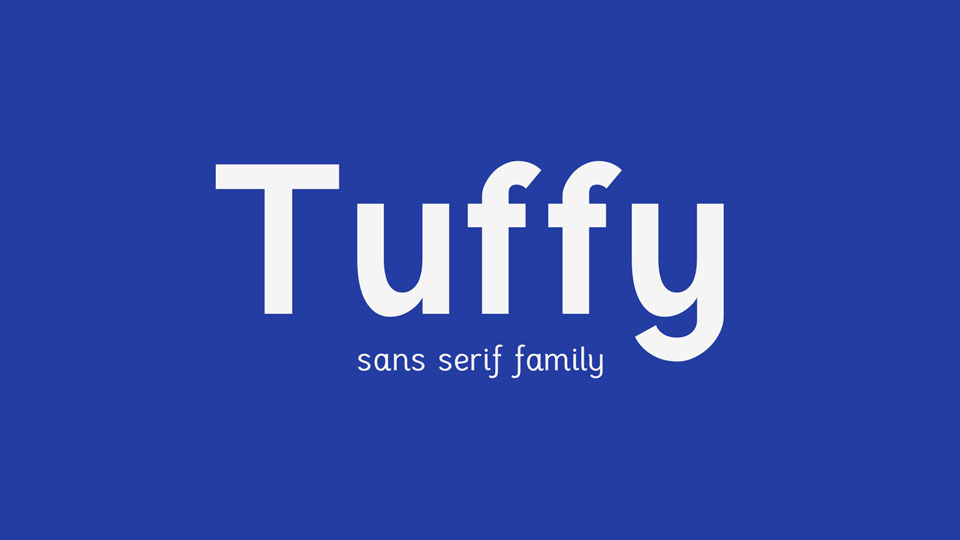
Tuffy – a straightforward sans for text and headlines. This package includes an Italic cut, suitable for quotations, captions and editorial accents.
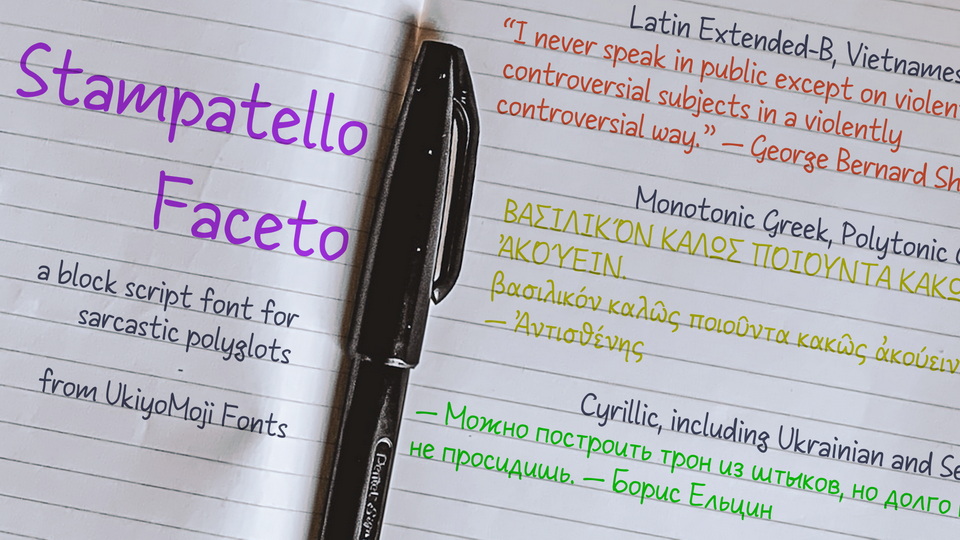
Stampatello Faceto – a decorative face for expressive short lettering. It can suit cards, covers, comic-style headings and illustrated packaging.
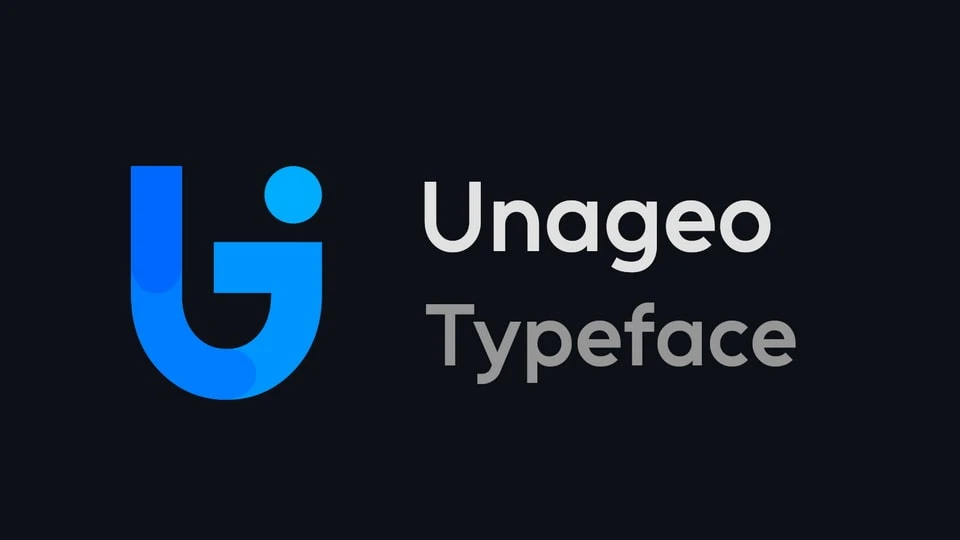
Unageo – richard Sepši’s variable sans for text and headlines. It suits digital products, campaign graphics and identities requiring a substantial typography system.
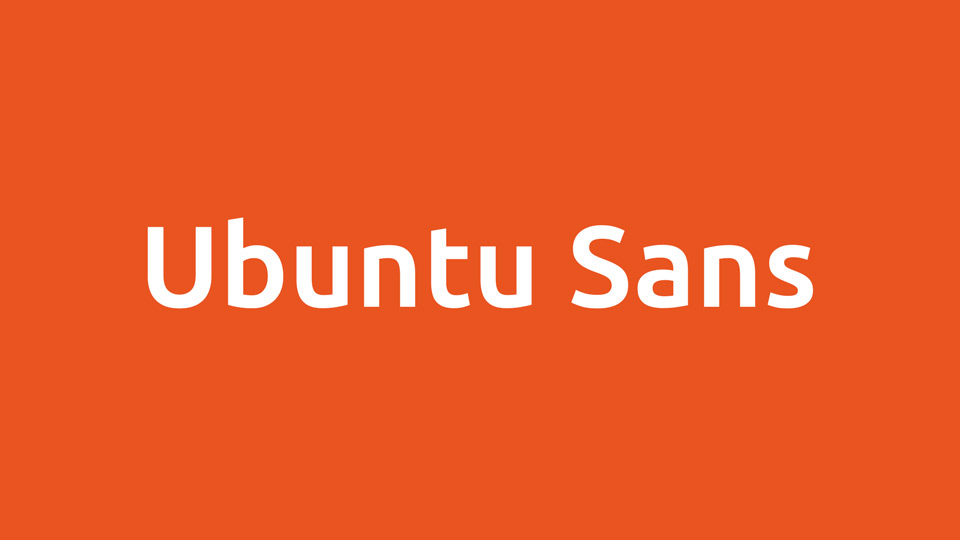
Ubuntu Sans – ubuntu’s sans for interfaces, navigation and text. It fits apps, help pages, presentations and navigation.
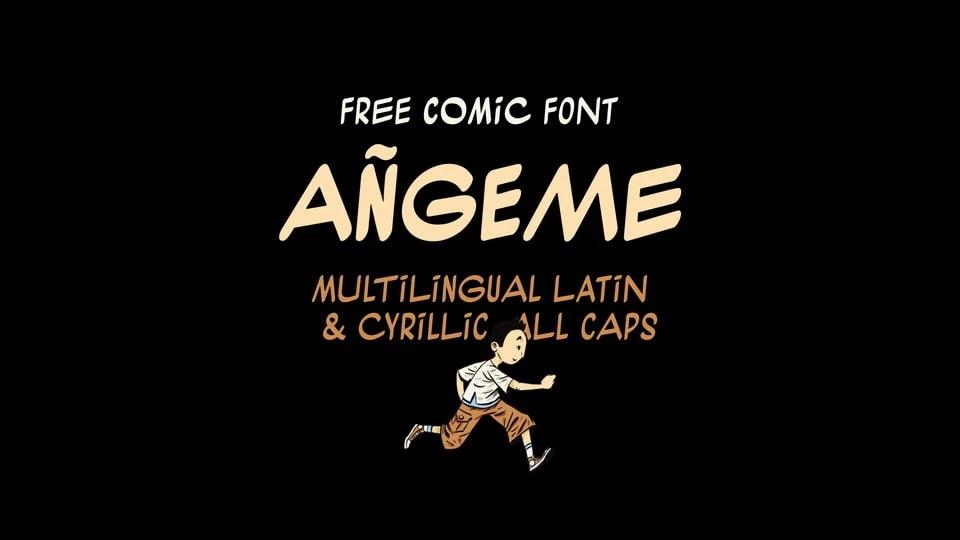
Angeme – a display face for posters and short lettering. Regular and Bold can create a simple contrast, with the main phrase taking the heavier cut.
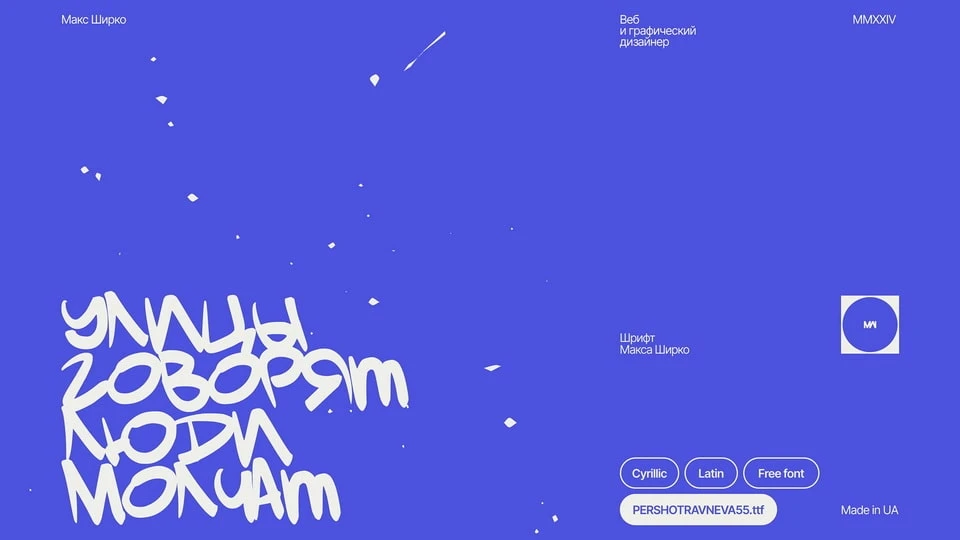
Pershotravneva55 – max Shirko’s display face for posters and short lettering. Its character is easiest to appreciate in a short, large title.
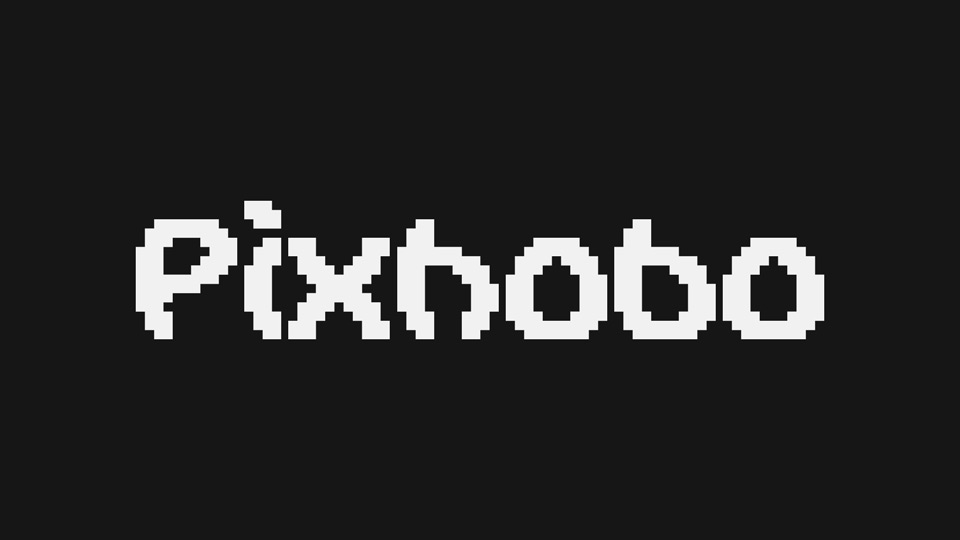
Pixhobo – pixel lettering for games and retro interfaces. Try it in an indie-game menu, a pixel-art cover or short labels inspired by old screens.
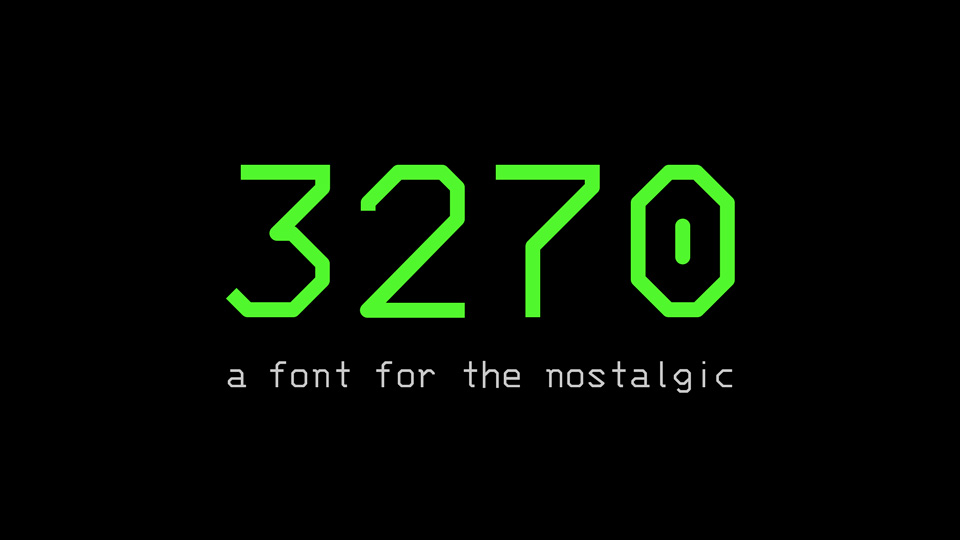
3270 – a monospaced face modeled on IBM 3270 terminal lettering. Its fixed-width rhythm creates an old-computer atmosphere without extra visual filters.
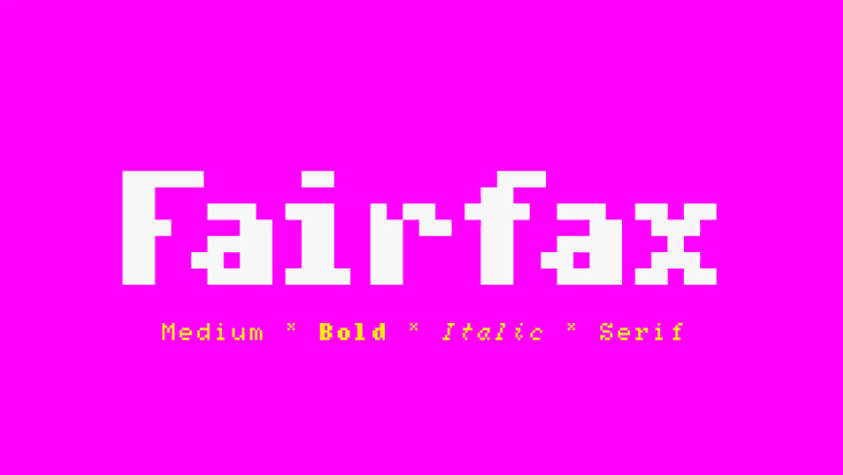
Fairfax – a pixel font with broad character coverage for retro interfaces. It suits retro interfaces, pixel games, electronic archives and experimental posters.
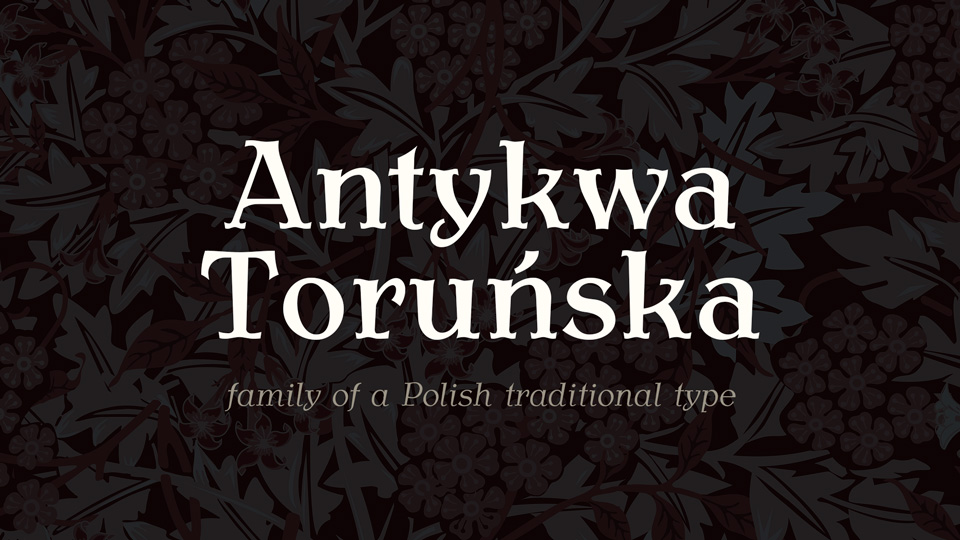
Antykwa Torunska – a text serif based on Zygfryd Gardzielewski’s designs. It makes sense in fiction, historical publishing or museum catalogues.
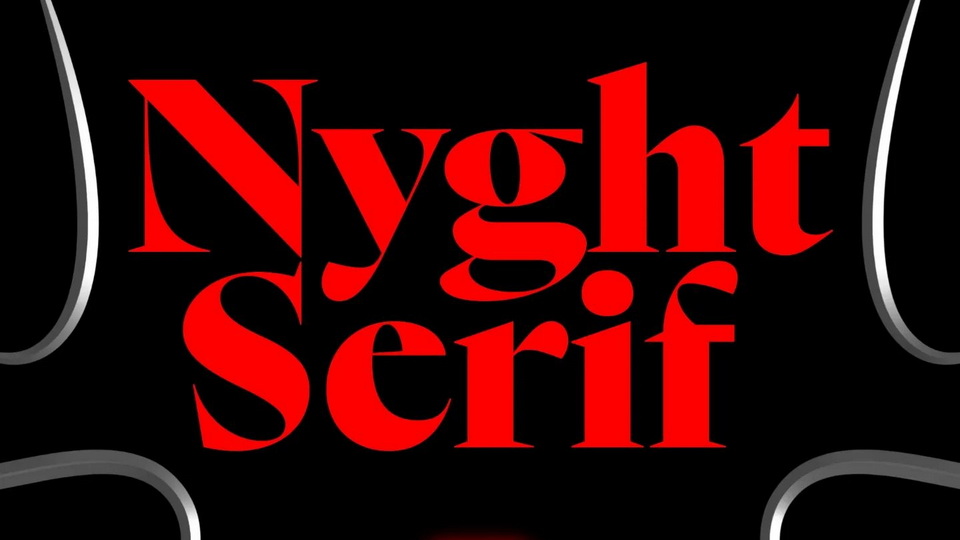
Nyght Serif – a high-contrast serif with sharp details for covers and headlines. At large sizes the lettering becomes a visual element in its own right.
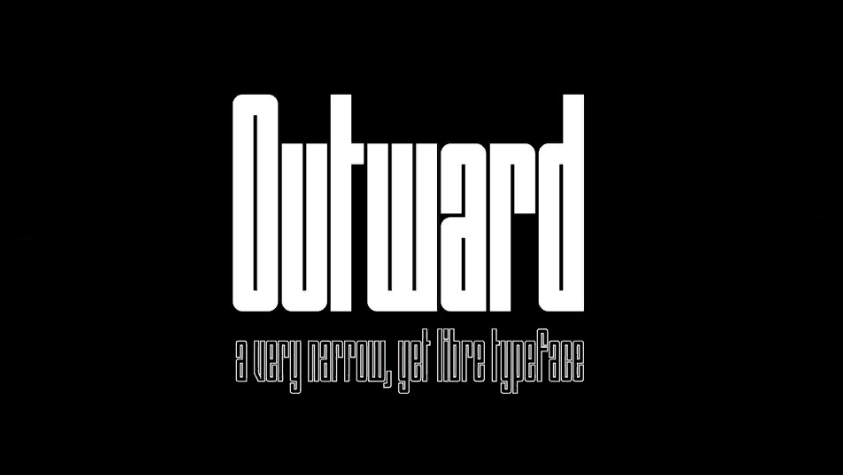
Outward – a narrow display face with three distinct cuts for large headlines. That lets a short word change its mood while retaining a recognisable vertical silhouette.
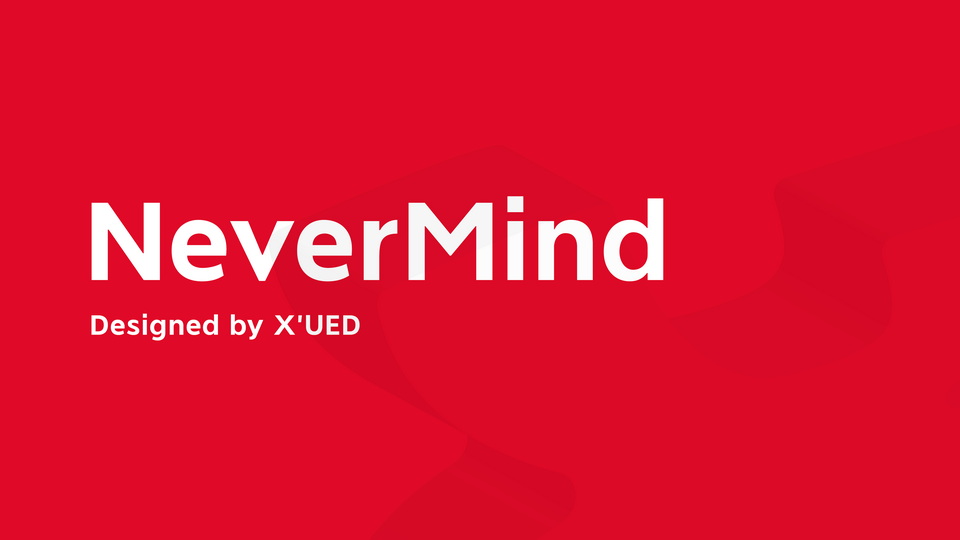
NeverMind – xMind’s sans for interfaces, diagrams and blocks of text. It makes sense in presentations, mind maps, reference documents and digital products.
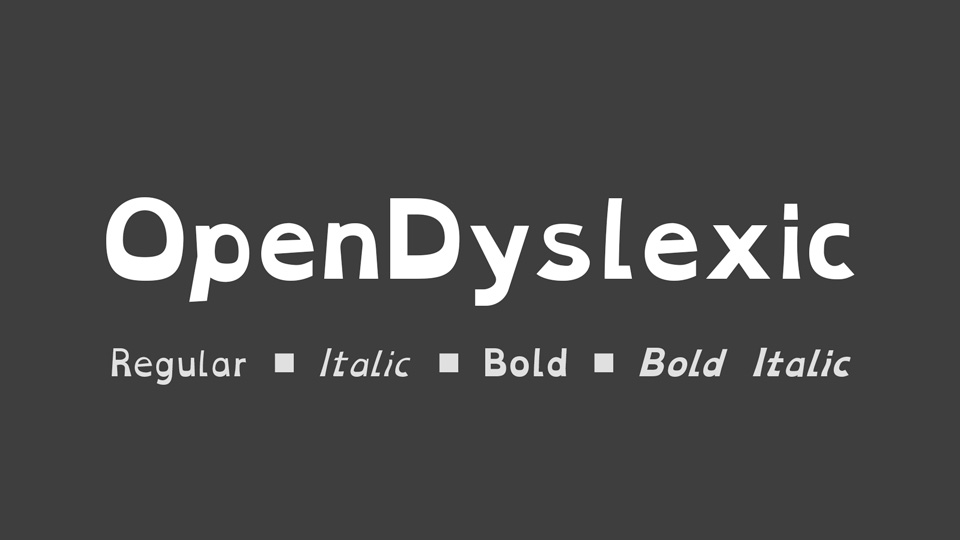
OpenDyslexic – a face with heavier letter bases, designed to aid reading. It was created to support some readers with dyslexia, but there is no universal guarantee that it improves reading for everyone.
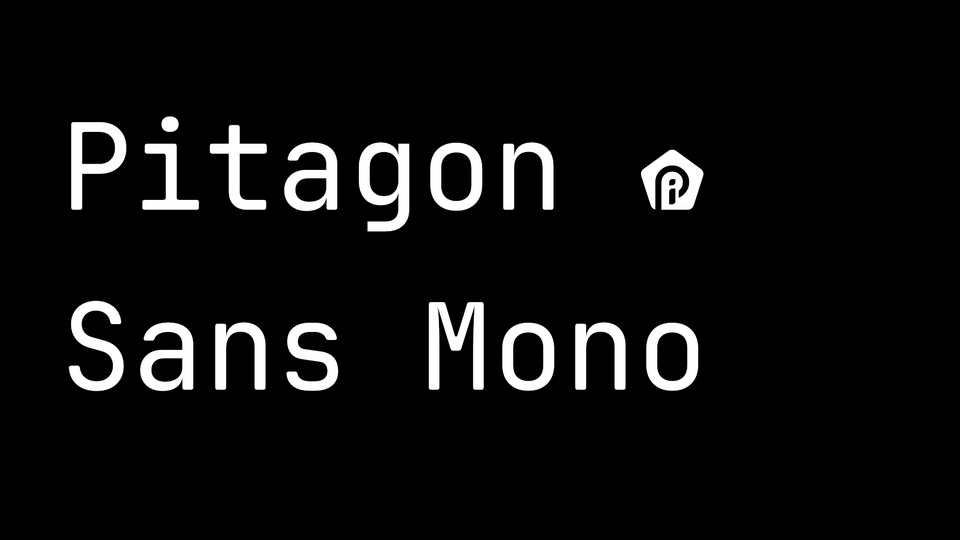
Pitagon Sans Mono – a monospaced sans for code and technical interfaces. It keeps characters aligned in tables, terminals and editors.
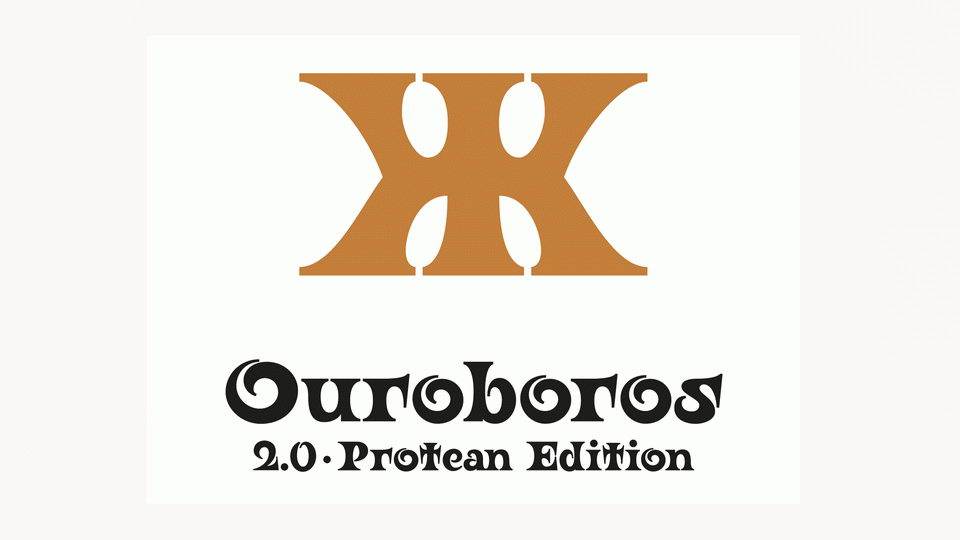
Ouroboros – a decorative face with unusual shapes for large lettering. It suits fantasy-themed covers, art posters and experimental identities.