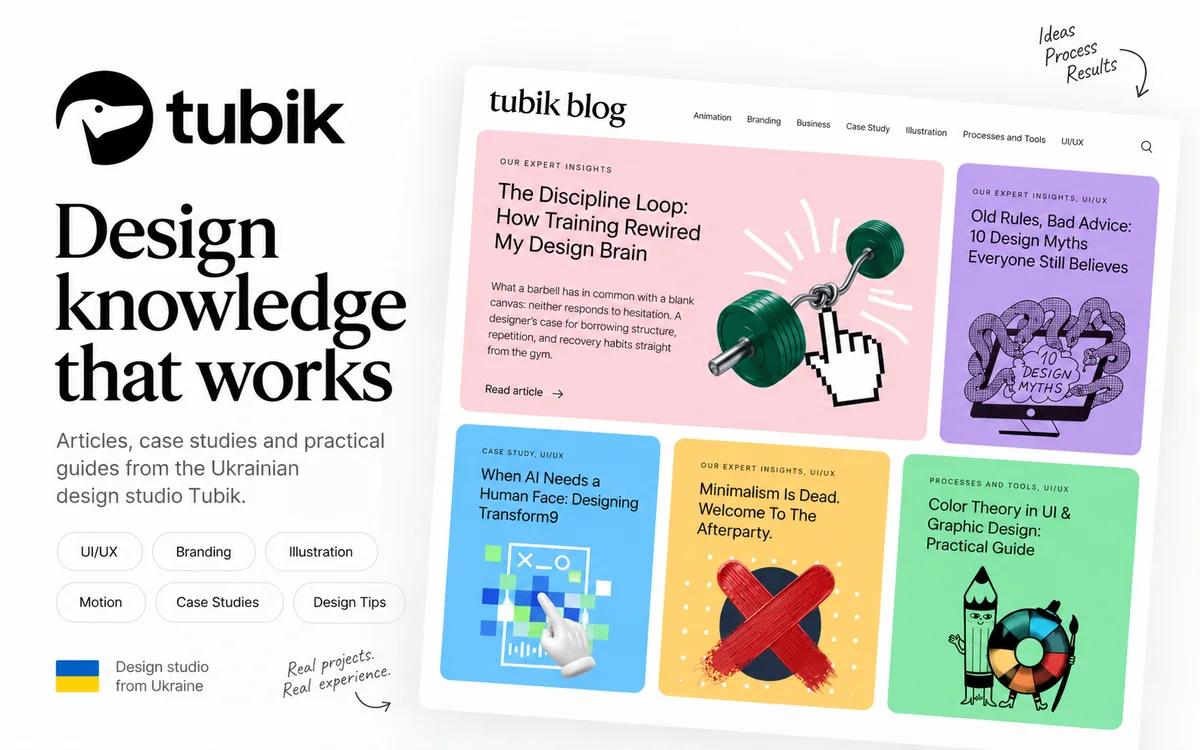
Tubik Blog — Design Articles, Case Studies & Practical Guides
A large design publication covering UI/UX, branding, web design, illustration, motion, design processes and detailed real-world case studies.
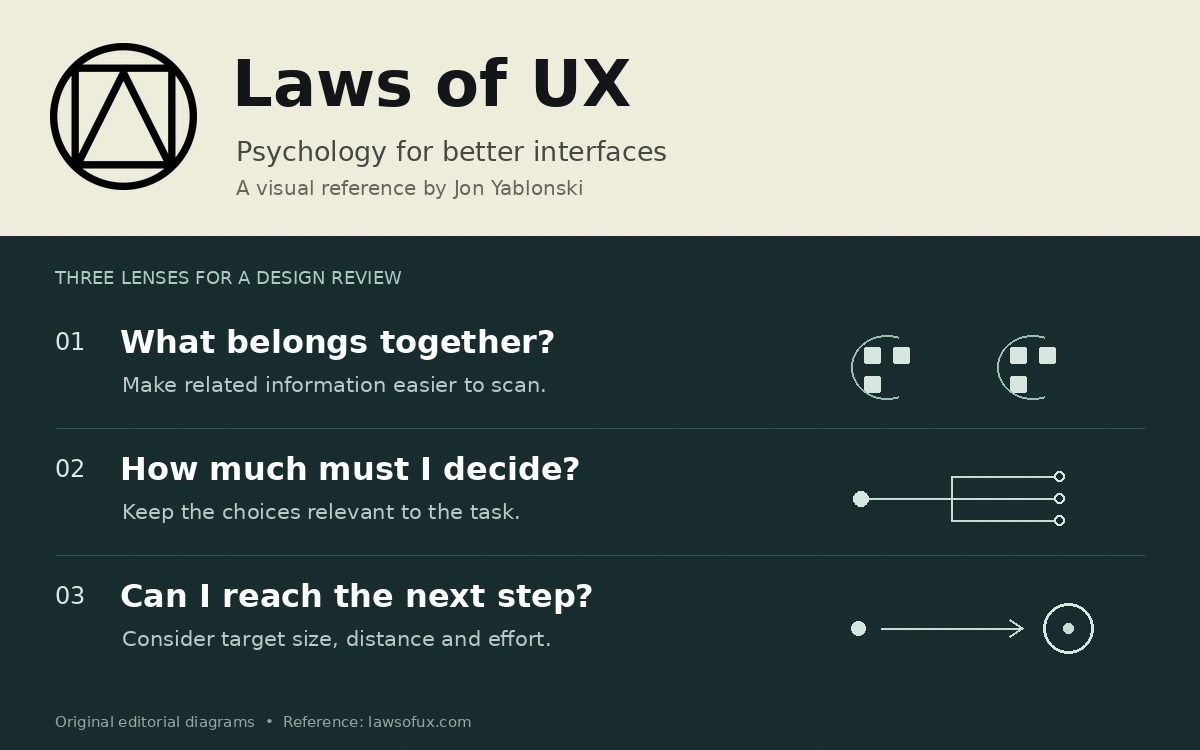
Laws of UX is Jon Yablonski’s visual reference for designers who want to understand how people perceive and use interfaces. It brings together psychological effects, cognitive concepts and design heuristics in a browsable collection. Short explanations make it useful for learning the vocabulary of UX and revisiting a principle during everyday design work. The collection covers topics such as Fitts’s Law, Hick’s Law, cognitive load, chunking and visual grouping. Individual entries provide key takeaways, background and links for further reading. For example, the Fitts’s Law page connects target size, spacing and placement with the effort involved in selecting an interface control. A practical way to use the resource is to choose a specific problem in your own screen: a crowded menu, unclear grouping or a difficult-to-tap action. Read the relevant principle, try a focused change, and compare the result with the original. Treat these ideas as hypotheses to test with your users and context, rather than a guarantee that one layout will work everywhere. The online reference is free to read. Selected entries offer free 11 × 17-inch posters, while large-format printed posters and other products are sold separately. The website and posters are licensed under CC BY-NC-ND 4.0: sharing the original material requires attribution, is limited to noncommercial purposes and does not permit distributing adapted versions under that licence. For a portfolio exercise, apply a relevant principle to an original interface, record the reasoning behind the change and show your own design result. Keep the reference linked in your research notes. Applying a UX concept does not make the site’s text, diagrams or poster artwork unrestricted assets for a client deliverable.
Website content and posters: CC BY-NC-ND 4.0. Attribute Jon Yablonski; noncommercial sharing only, with no distribution of adaptations under this licence. Other uses may require permission.
Check the creator’s current terms before using this resource.A large design publication covering UI/UX, branding, web design, illustration, motion, design processes and detailed real-world case studies.
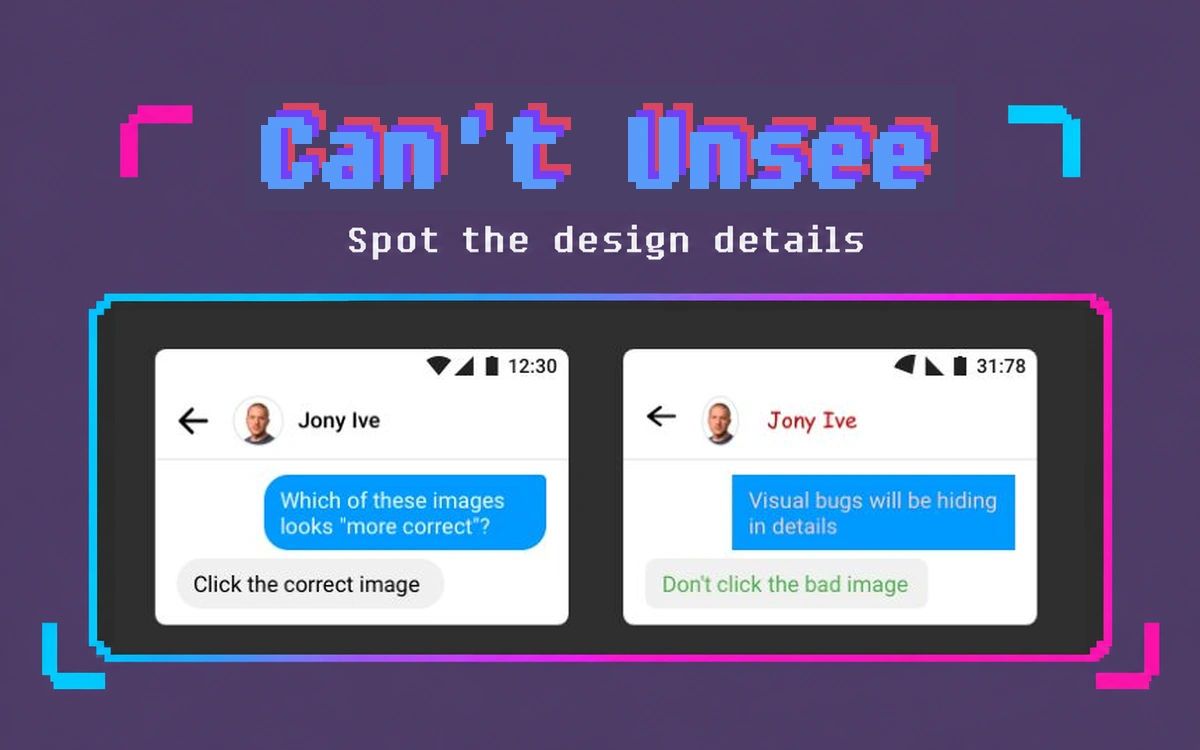
Compare similar interfaces, choose the stronger option, and practice noticing spacing, typography, alignment and icon details.
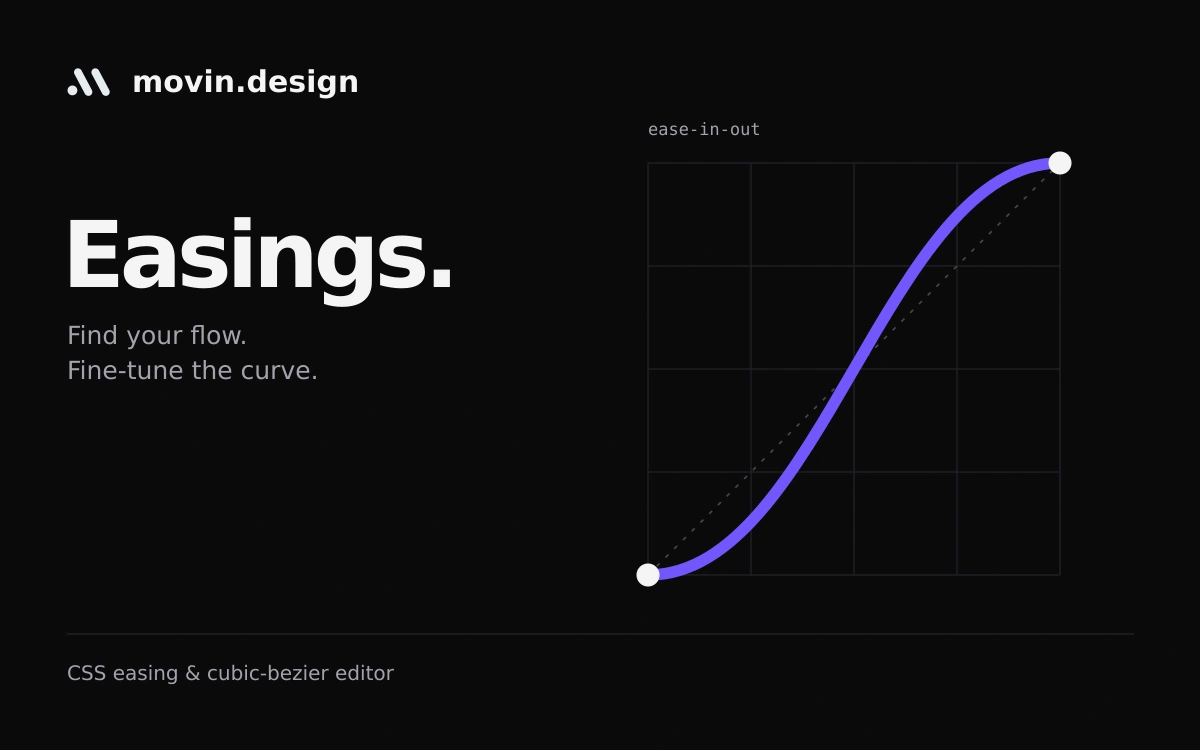
An easing gallery with a cubic-bezier editor, motion previews and code examples for web animation.